
Hey everyone,
Three different rooms in the house this week ran three different conversations about AI. By the end of all three, the same thing kept surfacing, and it wasn't about which model is smartest.
The oldest skill nobody's teaching
Jeneba of Bloomology opened the week with a talk on discernment. Her big idea was taste: knowing what to leave out and having an actual point of view about why. She broke it into five steps: ground yourself, make meaning of what you're seeing, decide what to say no to, turn that into something real, then live it until it's actually yours.
She was able to reframe the topic in a very approachable way, in order to understand the roots of discernment. Reading a room before you speak, knowing what's safe to say and to whom, has been a survival skill in Black communities for generations. It was never an AI skill first. It was just how people got through the day.
Drew picked up the thread during the fireside chat afterward. AI drifts toward the average of everything it's seen, so the unexpected, a misspelled word, the person you weren't supposed to run into in this exact spot at this exact time, is where the real breakthroughs come from. That's not something a model gives you. It's something a house full of people does.

Drew Burdick and Jeneba Wilt leading the conversation.
AI gambling with our lives?
That was the actual title of a conversation we ran on a Wednesday, sparked by a tweet from a former Anthropic and OpenAI researcher who resigned and said the labs are racing toward something they can't fully control. Dario responded to it publicly, and instead of everyone debating it alone online, we packed a room and talked it through together. At the end of the night everyone went around with one takeaway, and here's what people walked out with:
The Jevons paradox flip. Everyone assumed AI would wipe out radiologists first. Instead it got used so much more that hospitals ended up hiring more of them, not fewer.
Half empty, half full decides everything. Your answer to "is AI going to kill us all" has less to do with what you know about AI and more to do with whether you're naturally an optimist or a pessimist.
The trust question, reframed. Not whether the people training these models are good people, but whether they actually understand what an average person's life is like.
The blind spot about young people. The scariest part isn't AI, it's how uncertain it is to be young right now, trying to plan a future nobody can predict.
Control is the real currency. It comes down to who actually gets access to it.
Still betting on humans. Watching a room disagree in good faith for an hour is more reassuring than any headline.
The arbitrage window. Most people still don't know what they're doing with these tools. If you do, that's a real window to add value to nearly any business right now.
What the house itself proves. Just being around this community has already changed things, enough that it's a little scary to think about not being part of it.
Teach the fundamentals, not the fear. Why don't we teach how these models actually work at a basic level, the way physics class teaches gravity, instead of leaving people with a scary black box.
The printout on her desk. A chief product officer at OpenAI reportedly keeps a running list of everything she's been wrong about with AI, updated constantly. Her point: the moment you assume you understand these models, you're already out of date.
Most people walked out more curious than scared, enough that we're already doing round two on October 14th.

Everyone involved in the Community Conversation
Founder led growth, without the founder ego
Elena Kacan ran a workshop the next morning on personal brand for founders, and it kept coming back to one thing: you don't need to go viral, you need to be impossible to ignore. Clarity, confidence, and consistency get you there faster than any single post. Show up as the guide in your customer's story instead of the hero of your own.
Her advice that's stuck with people since: speak from scars, not wounds. Tell people about the hard thing once you're through it and can see the lesson, not while you're still in the middle of it and just need to vent. It's advice for a LinkedIn post, but honestly it's just good advice

Drew and Elena Kacan during the Founder Led Workshop
People buy from people
That same week, Charles, Colin, and Drew sat down for a Builders of Charlotte taping and landed on the same idea from a completely different angle. AI can produce a deck, a pitch, a hundred slides before lunch, but it can't stand behind the work and take responsibility for it when something goes wrong. Drew summed it up simply: people buy from people, and no amount of polish replaces an actual person willing to put their name on something.

From the podcast Builders of Charlotte
Three different rooms this week, three different conversations, and they all arrived in the same spot: AI is a tool, and the judgment and trust that make it worth anything are still entirely on us.
A letter worth reading
We got a note this month from Adam, a founding member who moved out of state earlier this year, and it's a better closer for all this than anything we could write ourselves.
"The startup house was a pivotal moment for me.. Joining the house and meeting you and the other members was that introduction to people who get shit done and go for it, and it really inspired me.. It's inspired me to start thinking about creating a community here, because now I think to myself, if I can't find what I'm looking for, I can go out and create it myself."
What's coming up
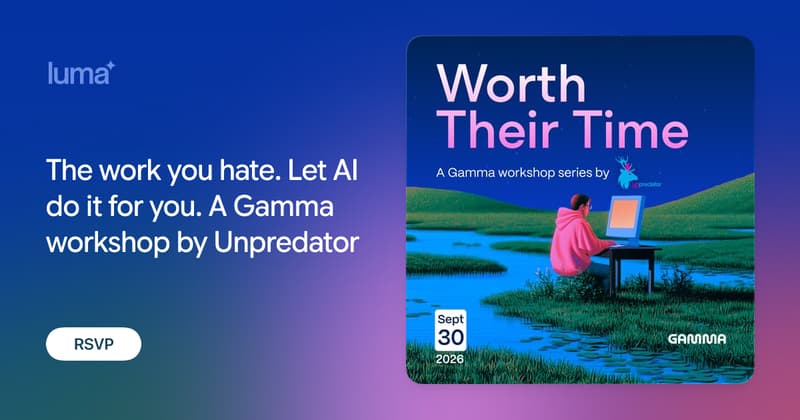
First up, on September 30th, is The work you hate. Let AI do it for you. A Gamma workshop by Unpredator. Bring a laptop, build a tool that saves you hours a week, no coding required.
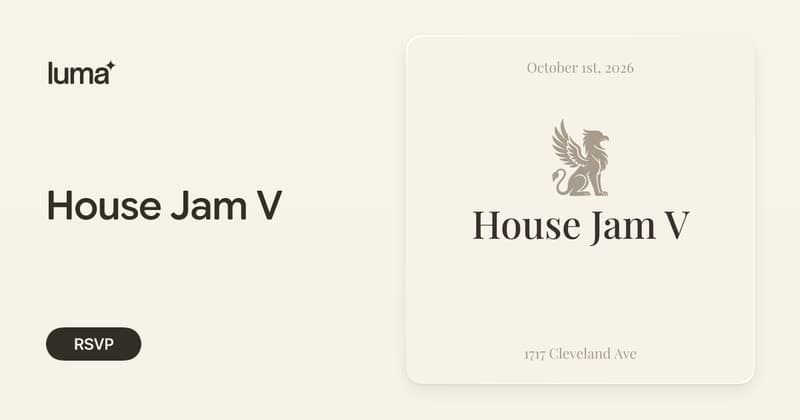
House Jam V is October 1st. Founders and builders showing what they're working on, no pitch deck required, just real work in progress and the kind of collisions this house exists for.
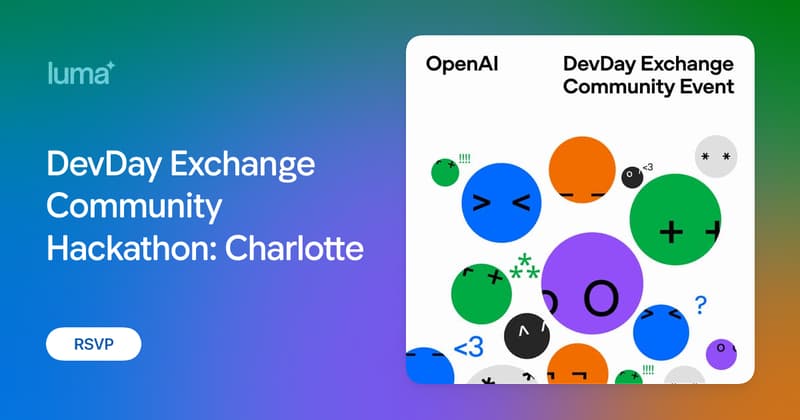
A couple days after that, on October 3rd, we're hosting the DevDay Exchange Community Hackathon: Charlotte, cohosted by The AI Collective, where local developers, students, and founders dig into what came out of OpenAI's DevDay together.
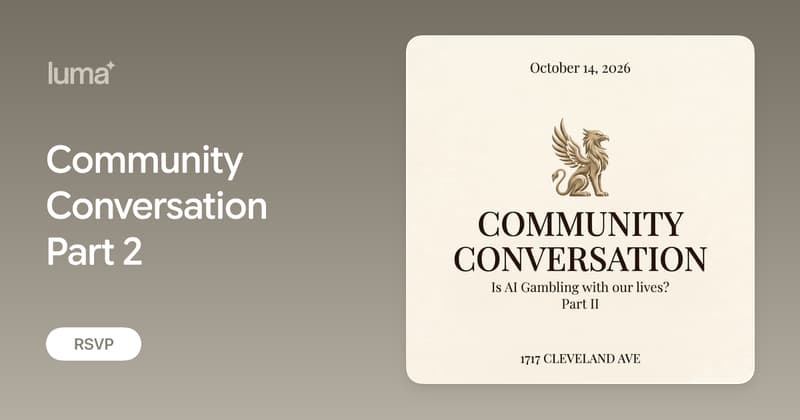
Then on October 14th we're picking the AI conversation back up with Community Conversation Part Two. Come with an opinion or come with none, you'll leave with a few new ones either way.
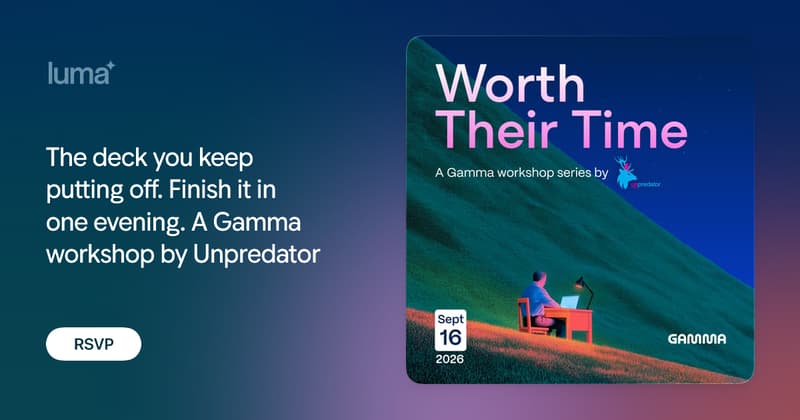
On October 21st, Alvaro and the Unpredator team are back with The deck you keep putting off. Finish it in one evening. A Gamma workshop by Unpredator. Bring the messy version of a pitch, proposal, or update, and leave with it done.
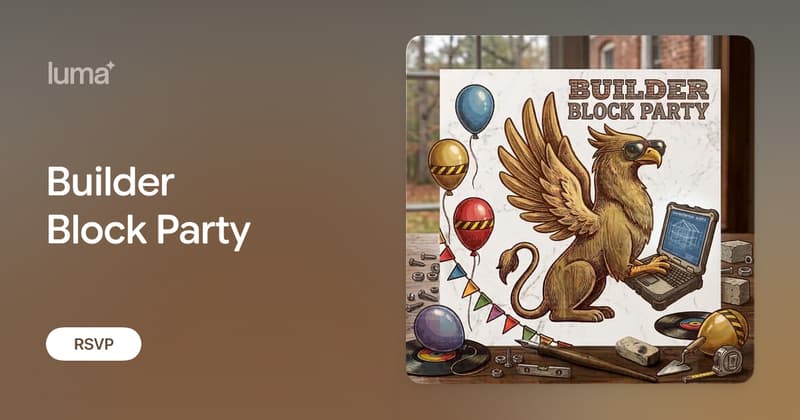
And closing out the month, on October 24th, is the Builder Block Party: a hackathon tournament, demo tables, live music, and a full night at the house. Doors at 5.
Want in?
We're actively looking to grow the house, and the easiest way to find out if it's for you is just to show up to one of the above. If a tour is more your speed, we'll happily walk you through it directly.
Apply for membership: tgcl8jgyzom.typeform.com/cltstartuphouse
Book a collision pass: booking.cltstartuphouse.com/day-pass
Schedule a tour: cltstartuphouse.com/contact.html
One more thing
A few friends and I have been building a YouTube channel called Builders of Charlotte, with Colin Thornton and Alan Corvalis from Torta Studios and Charles D'Andrea from BotSource joining Drew. It's the show for Charlotte's AI era, and it's an extension of everything above: real people building real things, figuring it out together instead of alone.

Wrapping up
We keep having AI conversations at the house this year, and they keep circling back to the same place. The tools get faster every month, but nobody's actually asking for a faster tool. They're asking for someone who'll pause, think it through, and stand behind what they build. That part hasn't changed, and it's probably worth more of your attention than whatever model ships next week.
Until next time,
Chris
P.s. Forward this to a founder, builder, or operator in Charlotte who should know about us. The best communities are built by the people in them.
